Short answer: "California DOJ approved" on a gun safe is the brand telling you its product meets California's rules for a gun safe or appears on the state's roster of certified firearm safety devices. The state publishes both: a set of construction standards for gun safes (or, instead, a UL Residential Security Container listing) and a roster you can search by model. Seven of the 15 safes we compare carry a California DOJ line on their page, from the SentrySafe QAP1BLX at $189.99 to the Winchester Ranger 26 at $1,899.99. The product page is a claim; the state's pages are the source. This is information, not legal advice.
What does California count as a gun safe?
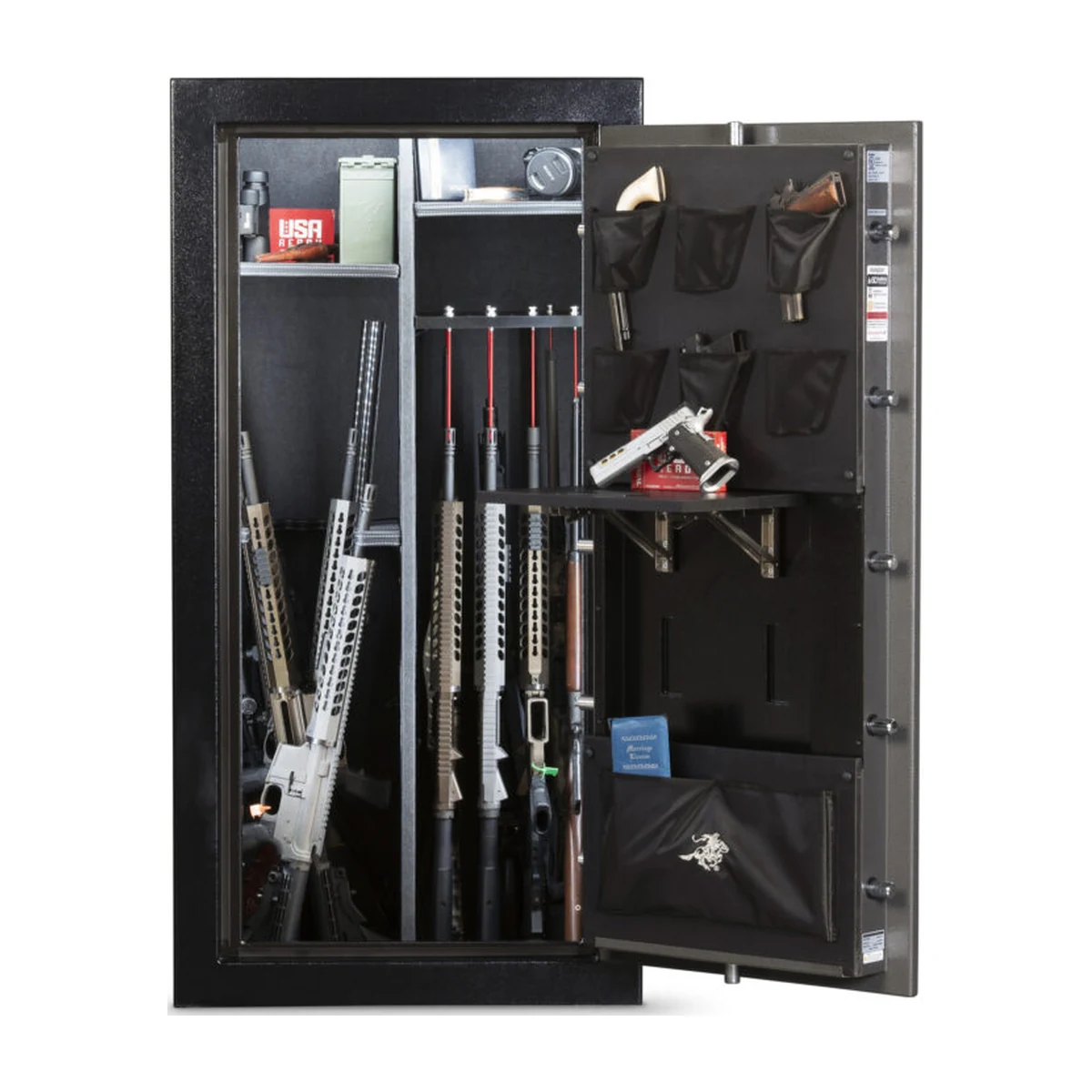
The California Department of Justice gives two routes on its regulatory gun safe standards page. The first is a list of construction rules. The safe must fully contain firearms and store them securely; its lock must be a mechanical or electronic combination lock with at least 10,000 possible combinations, protected by a drill-resistant hardened steel plate; its boltwork must have at least three steel locking bolts at least half an inch thick, worked by a separate handle.
The standard goes on to the steel. Exterior walls: at least 12-gauge for a single-walled safe, or two walls adding up to at least 0.100 inch. Doors: one layer of 7-gauge steel plate, or two layers of at least 12-gauge. Hinges must be protected against removal of the door. The second route is shorter: a safe that fully contains firearms and is listed as meeting Underwriters Laboratories Residential Security Container standards by a nationally recognized testing laboratory.
What is the roster of firearm safety devices?
It is a separate list. California keeps a Roster of Firearm Safety Devices Certified for Sale, which lists the devices certified for sale in the state, lock boxes and safes among them. When a handgun safe says "California DOJ approved", this roster is usually what it means.
The roster page is worth a visit for another reason: it carries recall notices. When we read it, it listed a notice of October 19, 2023 about a nationwide recall of six lock boxes and one safe on the roster, and another of February 22, 2024 about three lock boxes. A product page will not tell you that; the state's page does.
Which safes on our list state California DOJ approval?
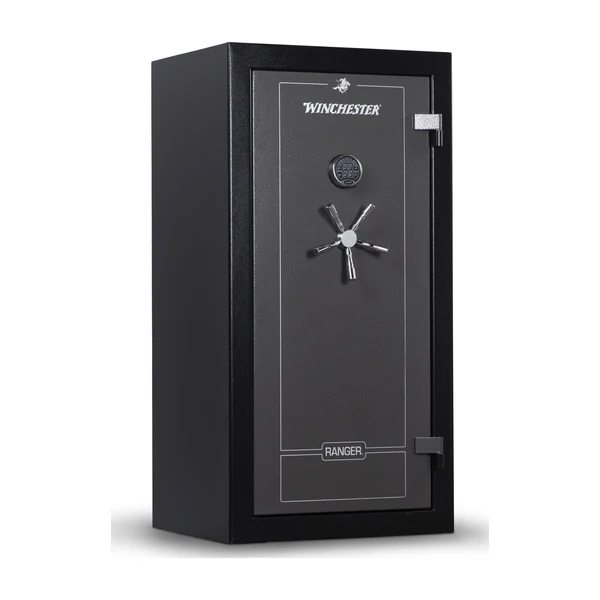
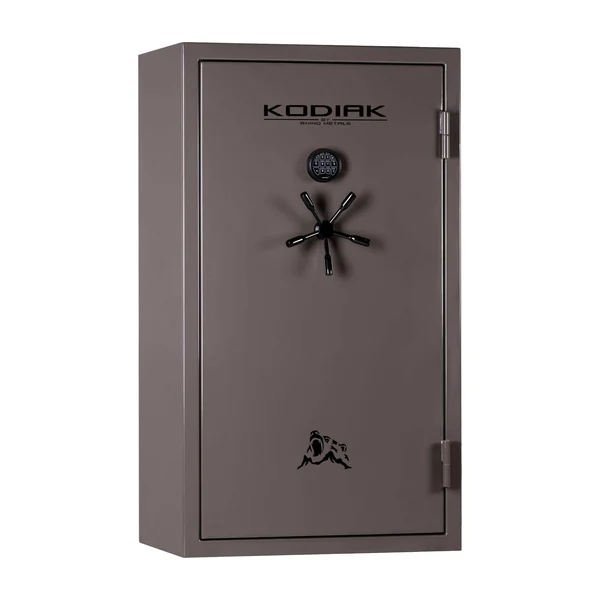
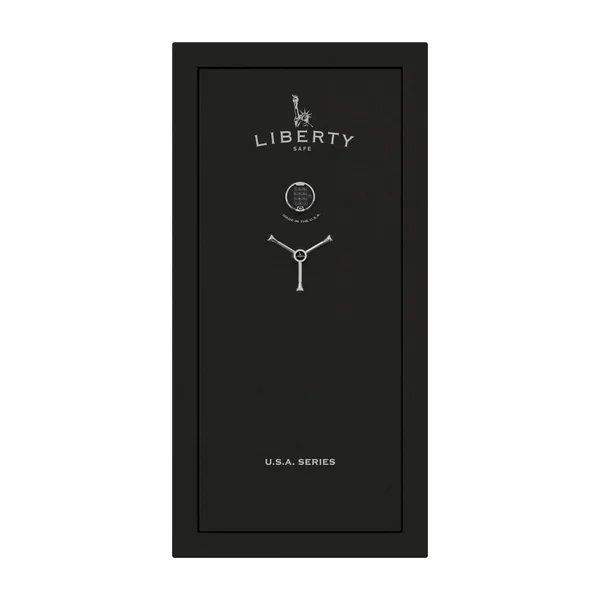
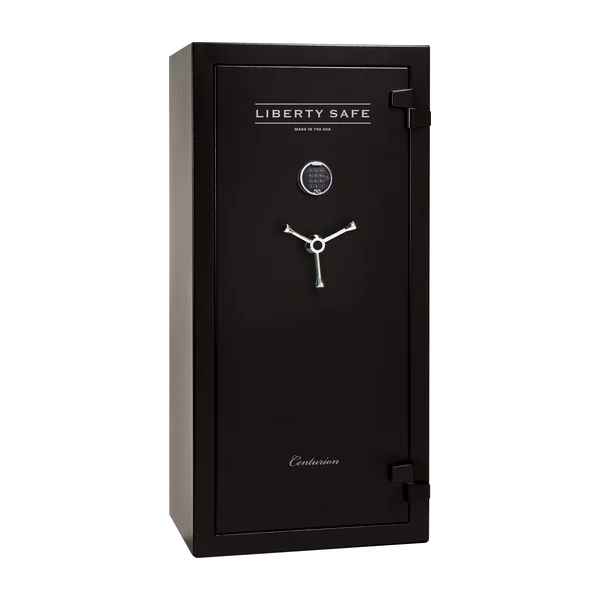
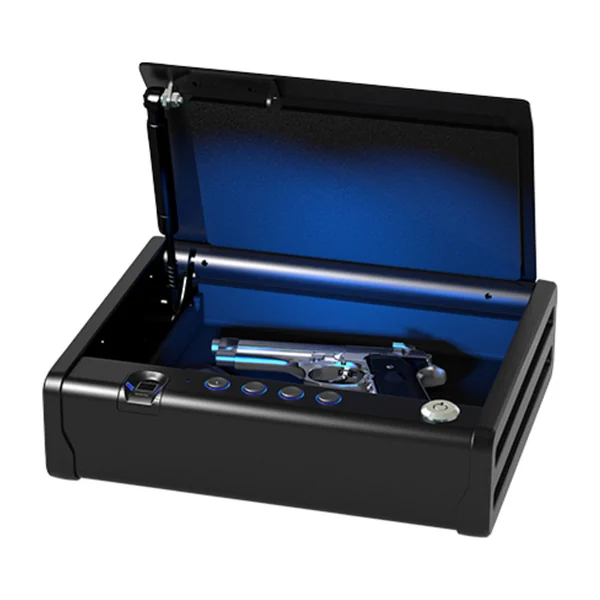
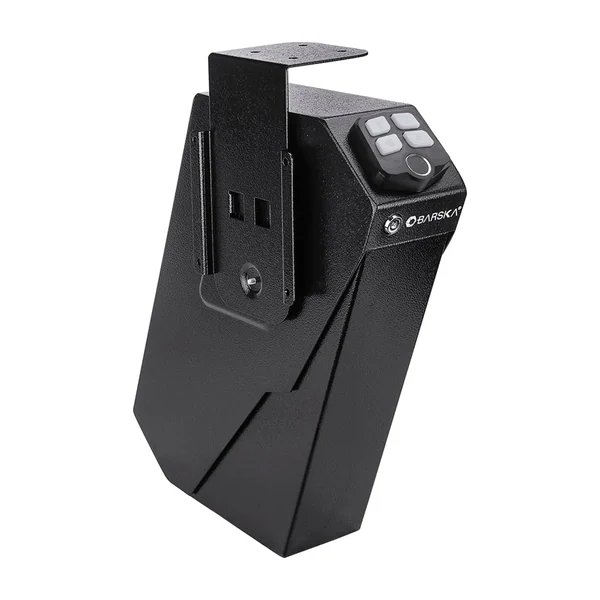
Seven, each in its own words. Liberty calls the Centurion 24 and the USA 30 a "California DOJ-approved firearm safety device". Winchester says the Ranger 26 "Exceeds California DOJ Requirements" and is "U.L. Listed for burglary protection, RSC". Rhino writes "UL Certified RSC / CA DOJ Compliant" for the Kodiak. SentrySafe says "California DOJ Certified" for the QAP1BLX, and Barska's spec table says "DOJ Approved: Yes" for the AX13092.
Steelwater says the Heavy Duty 20 "exceeds California Department of Justice regulatory standards for residential security containers". The others, including the Fort Knox, SecureIt and Vaultek models, make no such statement on the pages we read. That is not proof they don't qualify; it means the page doesn't say, and our formula scores only what is written.
Video: "How to Handle Guns Safely & Safe Firearm Storage Options for your Lifestyle | ProjectChildSafe.org", NSSF—The Firearm Industry Trade Association on YouTube. Not made by us; chosen because it shows the safe or the topic clearly.
How do you check a model yourself?
Three steps, five minutes. First, find the exact model number on the safe's label or product page; "AX13092" or "QAP1BLX", not the series name. Second, open the state's roster and search for the manufacturer and that model. Third, read the recall notices at the top of the page.
For a full-size safe that relies on the construction standard instead, compare the spec sheet with the rules: 12-gauge walls, three half-inch bolts, a protected combination lock. Or look for the words "Residential Security Container" with the name of the lab. If the page only says "DOJ approved" with no model on the roster and no listing, ask the seller which route it claims.
Does a 14-gauge safe qualify?
Not through the single-wall rule, which starts at 12-gauge. That doesn't settle the question, because the standard offers other routes: two walls that add up to 0.100 inch, or an RSC listing, and the roster certifies devices by test. The Liberty Centurion 24 is a 14-gauge safe whose page states DOJ approval as a "firearm safety device", for example.
What it tells you as a buyer is where the comfortable margin lies. If you want a safe that clears California's construction numbers on its spec sheet, look for 12-gauge or thicker: the Liberty USA 30, the Winchester Ranger 26, the Rhino Kodiak, the Browning Sporter 23, the Steelwater Heavy Duty 20 or the 10-gauge Fort Knox Maverick. Our rifle safe ranking lists the gauge of each.
Is a DOJ line a reason to choose one safe over another?
It is a reason to trust the page a little more, and our formula treats it that way: a stated California DOJ approval is worth 4 points on the approvals criterion, a stated UL Residential Security Container listing 6. A safe with both, such as the Winchester Ranger 26 or the Rhino Kodiak, gets the full mark. A safe with neither scores that criterion as unstated.
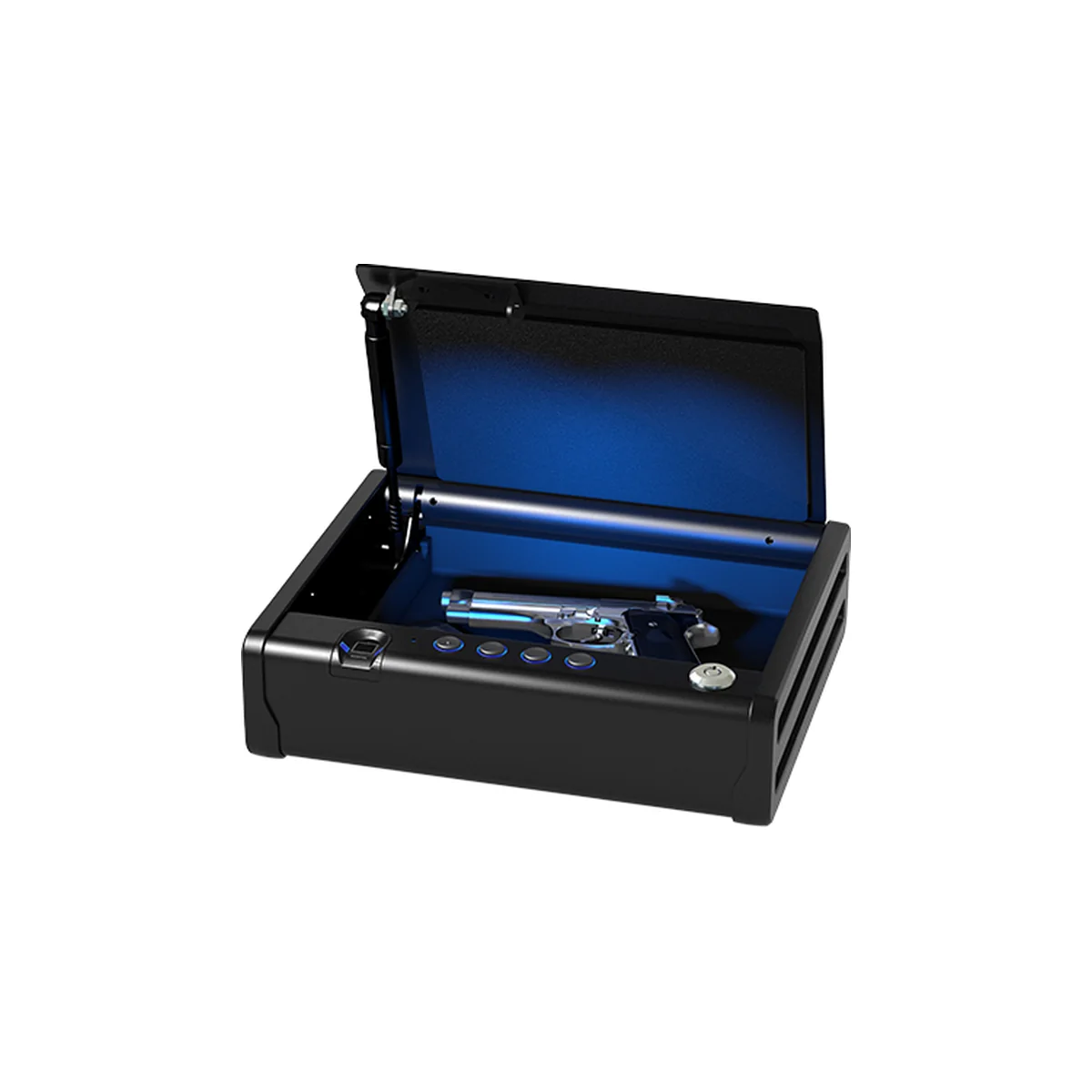
It is not a measure of strength on its own. The 10-gauge Fort Knox Maverick has the thickest body on our list and no DOJ line on its page; the $189.99 SentrySafe has the line and an unstated steel gauge. Read the approval together with the steel, the bolts and the lock. For handguns, the Barska AX13092 (8.8/10) combines a stated approval with 2 mm steel; Barska AX13092 vs Vaultek 20 Series shows what the line is worth against a safe that doesn't print it.
What about other states?
Every state writes its own rules, and several cities add theirs. Some require locked storage when a minor could gain access; some attach conditions to a purchase; some say nothing. California's standard is useful as a yardstick wherever you live, because it is public and precise, but it is not your state's law.
For your own state, read the official pages of the attorney general or the state police, or ask a local attorney. For the safety side, which applies everywhere, the American Academy of Pediatrics advises locking up every gun unloaded, with ammunition locked separately, and Project ChildSafe publishes free material on storage options. A safe that meets a strict standard and is actually locked is the goal.
The safes in this guide, side by side
| Safe | ||||||
|---|---|---|---|---|---|---|
| Capacity | 35 long guns (claimed) | 41 long guns (claimed) | 30 long guns (claimed) | 24 long guns (claimed) | 1 handgun | 1 handgun |
| Body steel | 12-gauge steel | 12-gauge steel | 12-gauge steel | 14-gauge steel | Not stated | 2 mm steel |
| Fire rating | 60 min at 1,400°F (brand's claim) | 60 min at 1,400°F (brand's claim) | 60 min at 1,200°F (brand's claim) | 40 min at 1,200°F (brand's claim) | No rating claimed | Not fire rated |
| Ways to open | Keypad | Keypad | Keypad | Keypad | Fingerprint + Keypad + Key | Fingerprint + Keypad + Key |
| Approvals stated | UL RSC + CA DOJ | UL RSC + CA DOJ | UL listed + CA DOJ | CA DOJ | CA DOJ | CA DOJ |
| Weight | 594 lb | 536 lb | 565 lb | 375 lb | 11.9 lb | 8.6 lb |
| Warranty | Lifetime | Lifetime | Lifetime | Lifetime | Not stated | 1-year |
| Sold by | Winchester Safes | Rhino | Liberty Safe | Liberty Safe | SentrySafe | Barska |
| Where to buy | Check price at Winchester Safes | Check price at Rhino | Check price at Liberty Safe | Check price at Liberty Safe | Check price at SentrySafe | Check price at Barska |
✓ marks the best figure of the row. Fire ratings and capacities are the brands' own claims. Prices checked November 13, 2026 at the seller named in the table.